The Playbook Approach, Volume III
BODVO
The dining room table is the hardest setup in my system. Put more than three people in a scene and the wide, the coverage and the lighting get complicated very quickly.
How to set the wide, block around the circle, and choose between lighting from overhead and lighting from outside, worked through on a virtual set.
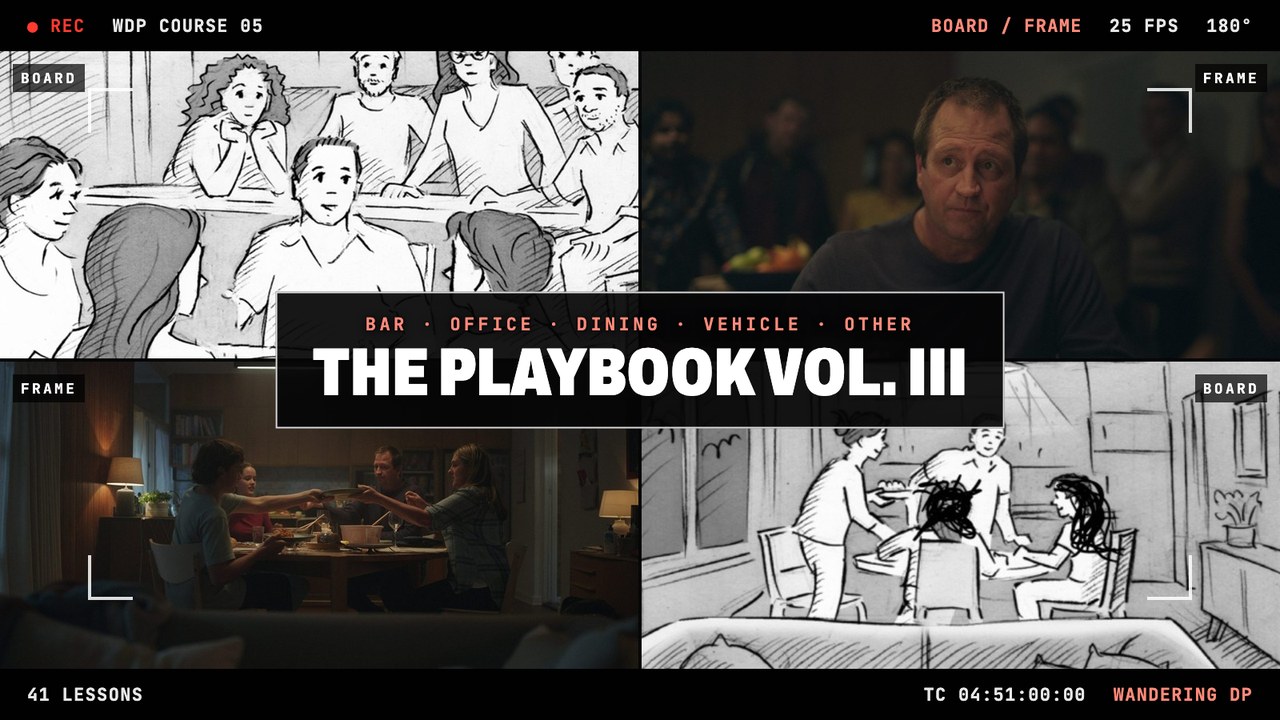
More than three people at a table.
Early in my career I noticed I was being asked to shoot the same handful of scenes over and over. I built a system around them so I could develop looks and solve problems well before I stepped on set.
That system is BODVO: bar, office, dining table, vehicle and other. This volume takes on the dining table. How much coverage do you need? What’s the best way to get the wide? Where do the actors sit relative to each other and to the camera?
Those questions sound simple until you start dissecting the scene. If you get the basics right, you can work backwards from where the scene has to end up, and the course gives you a way to make sure you have everything covered.
- How much coverage do we need?4.1 Understanding Coverage · 4.4 Coverage (Part #1) · 4.5 Coverage (Part #2)
- What’s the best way to get the wide?4.2 Setting the Wide · 4.6 Wide Study (Part #1) · 4.7 Wide Study (Part #2)
- Where should the actors sit relative to each other and to camera?4.3 The Circle · 6.6 The Four Hander · 6.7 Adding More People
- Do I light it from overhead or from outside?3.9 Overhead Lighting · 3.10 Outside Lighting · 5.4 Overhead Lighting 101 · 6.1 Lighting from Outside
- How much can I settle before the shoot day?5.2 Prep Stage (Part #1) · 5.3 Prep Stage (Part #2) · 6.2 A Simple Plan
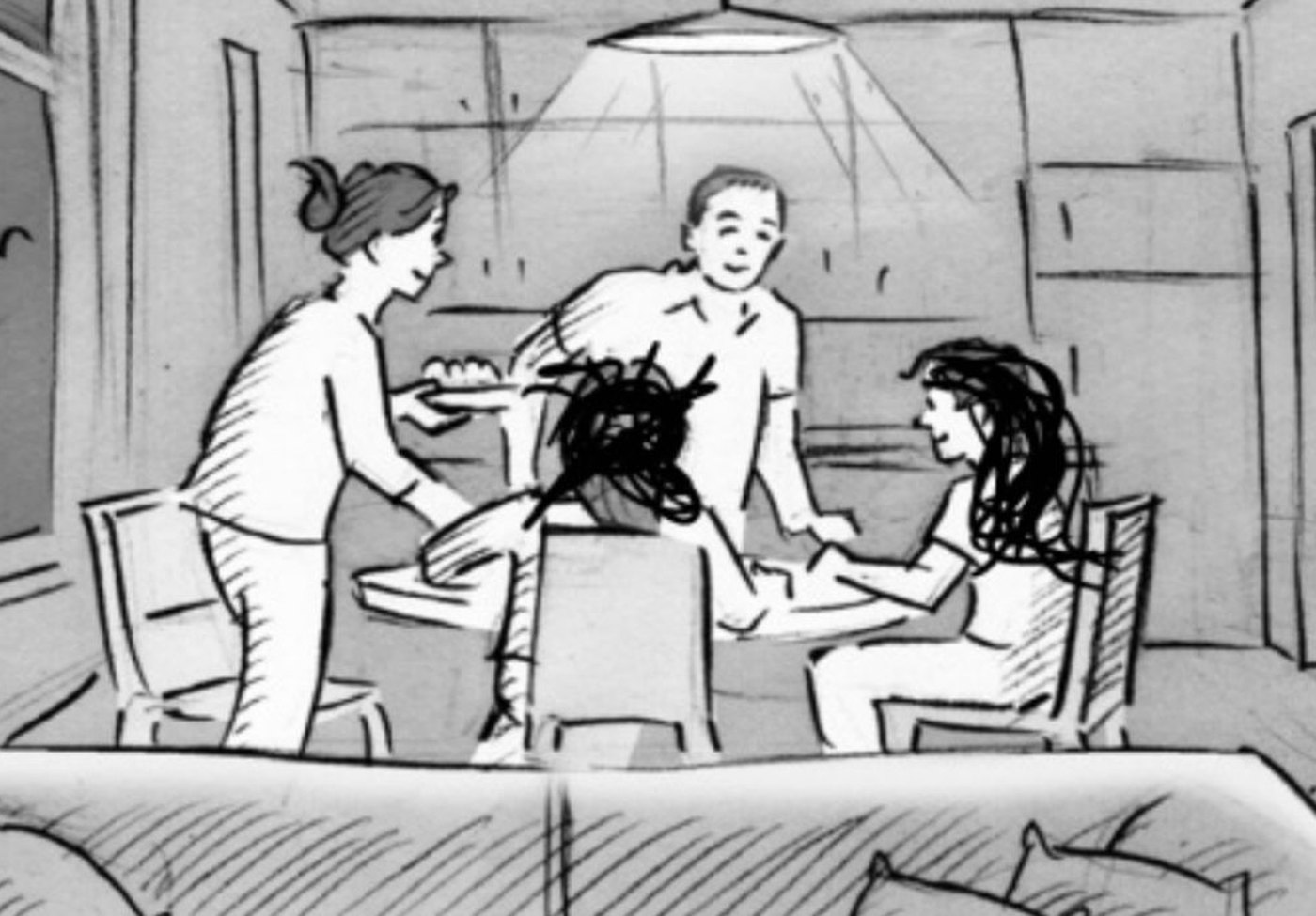
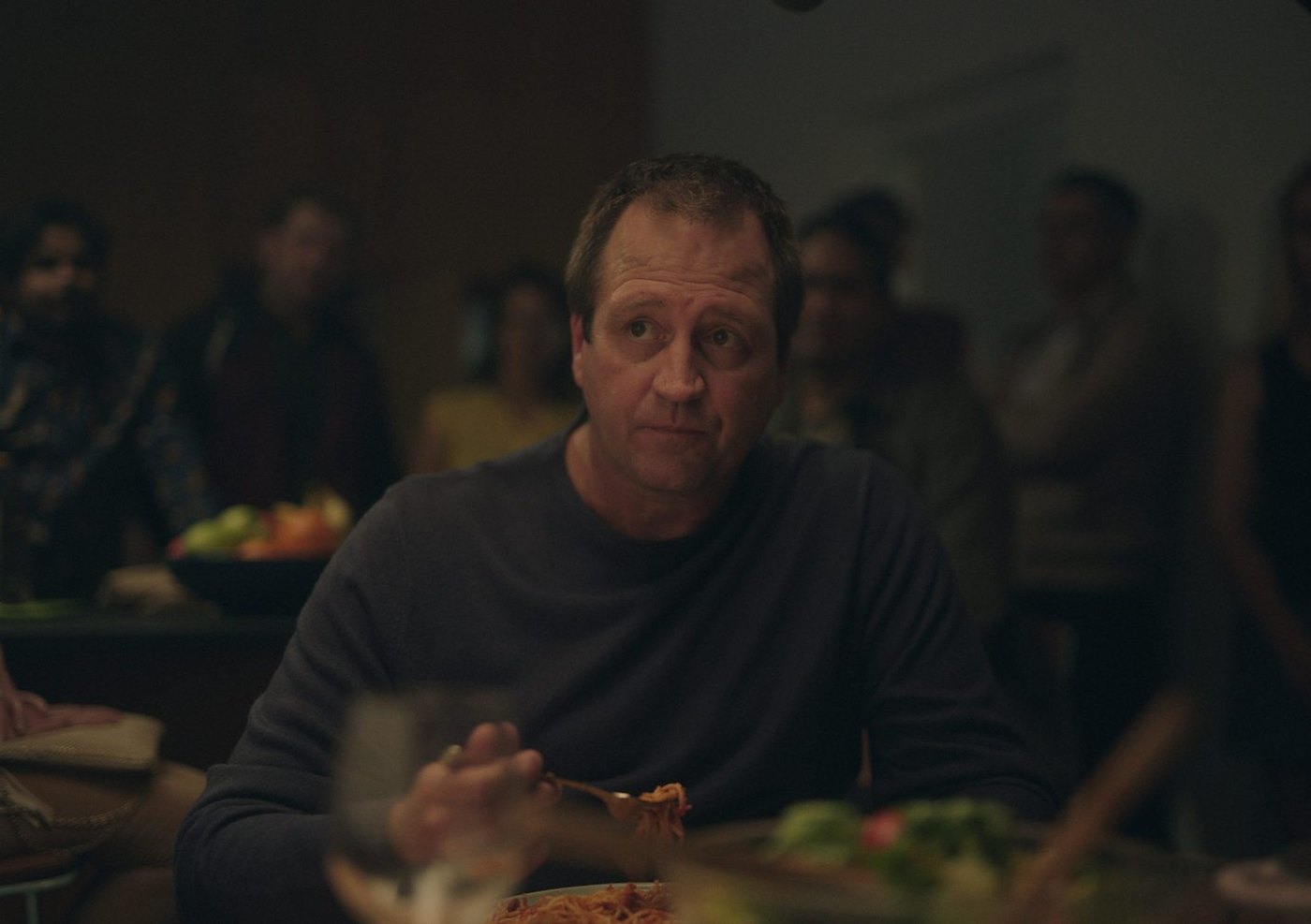
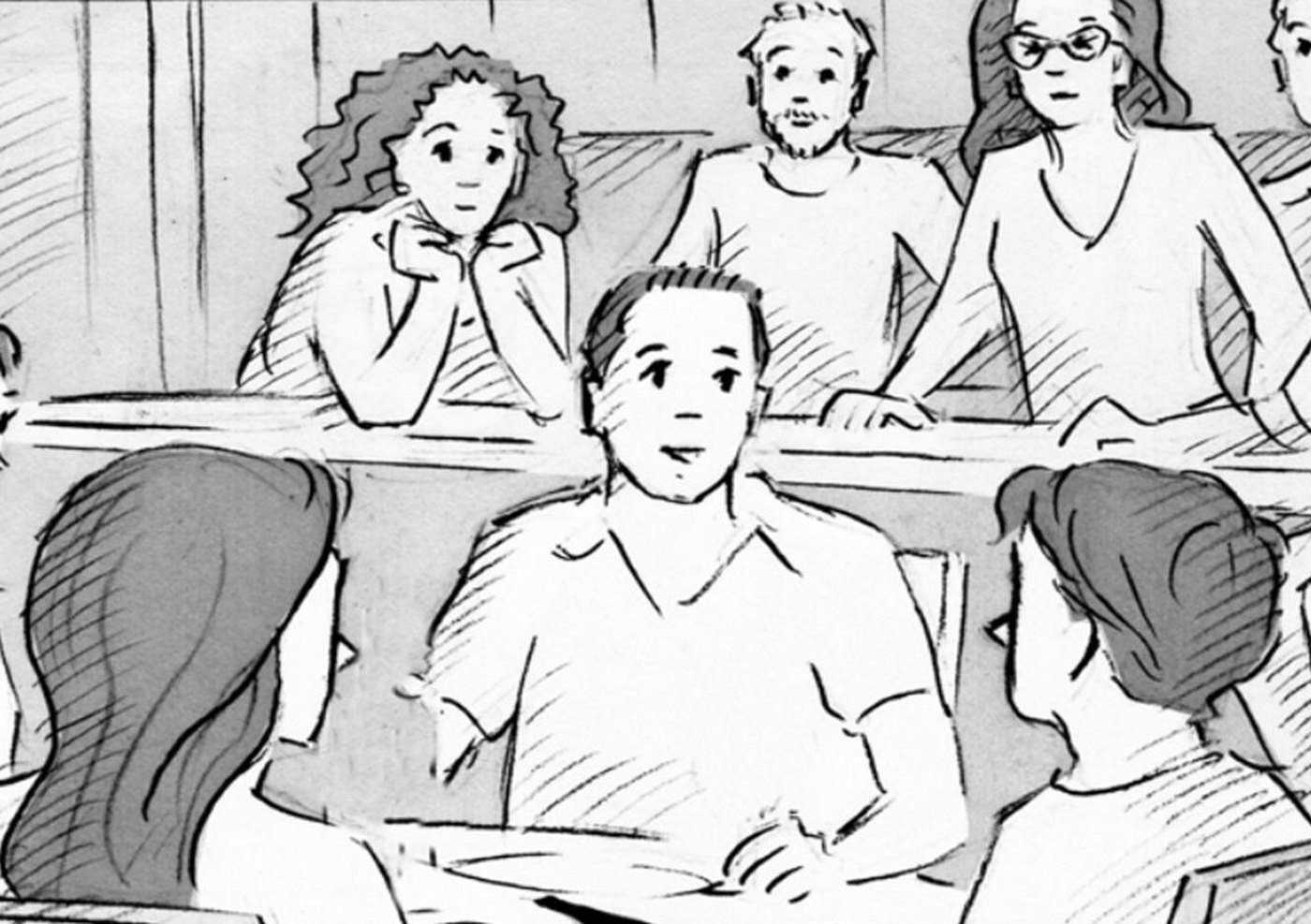
One table, wide to single.
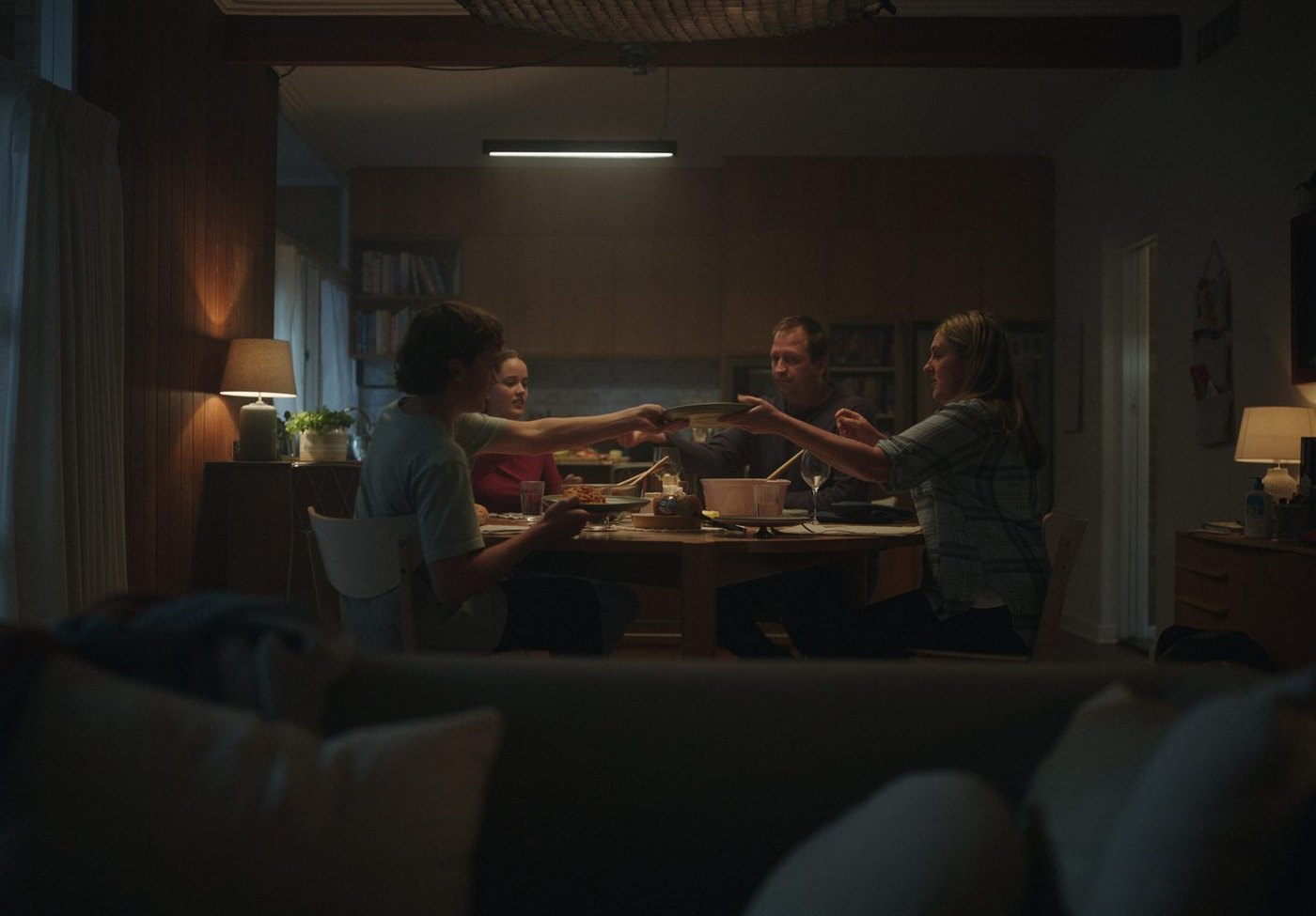
A family dinner on a commercial I shot, broken down in Episode #350. Four people around one table: a wide that has to hold all of them, then singles that have to match it.
The key was a gridded octabox over the table and dimmed way down, with lamps outside the sheered windows adding the night ambience. In the course, sections 5 and 6 take the table scene through the overhead approach and the outside approach on a virtual set in CineDesigner.
 BOARDFRAME
 BOARDFRAME
DPs who keep getting the big table.
Cinematographers at any level. You don’t need years of experience to use the system, and experienced DPs still get something from seeing a different approach.
Take it if
- You shoot scenes with more than three people around a table and want a plan for the wide and the coverage before the day.
- You want to know when to light a group from overhead and when to light it from outside.
- You’ve taken an earlier volume of the Playbook Approach and want the system applied to the hardest setup in it.
- You’d rather start a scene from a known set of options than solve it from scratch on set.
Start elsewhere if
- You want the system from the beginning, starting with the bar scene. That’s The Playbook Approach.
- Your scenes are mostly in offices. That’s Volume II, Blocking & Coverage. For car work, The Vehicle Series.
- You want exposure fundamentals or the business side of commercial work. That’s Mastering Exposure or The Foundation.
- You need live, one-to-one coaching. This is a self-paced video course.
Every lesson, in order.
From why a system matters, through the dining table classics, the wide and the circle, to a virtual case study lit with the overhead approach and the outside approach.
Three lessons are free previews on Teachable, so you can see the course before you buy.
01Introduction
- 1.1 Course Introduction3:18
- 1.2 Teachable Platform1:22
02A Systematic ApproachFREE PREVIEW
- 2.1 A Systemic Approach5:14
- 2.2 Goal Setting4:56
- 2.3 BODVO BasicsFREE PREVIEW ↗5:55
- 2.4 Inside or Outside4:55
- 2.5 Limit the Options4:36
03The Dining Room Table
- 3.1 The Dining Room Table2:48
- 3.2 The Basics8:46
- 3.3 The Classics (Part #1)10:49
- 3.4 The Classics (Part #2)8:37
- 3.5 Not the Real Thing5:44
- 3.6 Inside Examples (Part #1)10:18
- 3.7 Inside Examples (Part #2)10:47
- 3.8 Outside Examples8:05
- 3.9 Overhead Lighting6:40
- 3.10 Outside Lighting10:09
04Coverage
- 4.1 Understanding Coverage2:29
- 4.2 Setting the Wide14:01
- 4.3 The Circle4:48
- 4.4 Coverage (Part #1)10:16
- 4.5 Coverage (Part #2)10:37
- 4.6 Wide Study (Part #1)8:27
- 4.7 Wide Study (Part #2)6:43
05The Overhead ApproachFREE PREVIEW
- 5.1 Virtual Case Study3:27
- 5.2 Prep Stage (Part #1)11:51
- 5.3 Prep Stage (Part #2)FREE PREVIEW ↗6:19
- 5.4 Overhead Lighting 10110:00
- 5.5 Overhead Lighting 2017:45
06The Outside ApproachFREE PREVIEW
- 6.1 Lighting from Outside8:34
- 6.2 A Simple Plan7:27
- 6.3 Survey Time4:52
- 6.4 The Classic 39:06
- 6.5 The 3 Alt7:16
- 6.6 The Four HanderFREE PREVIEW ↗7:52
- 6.7 Adding More People5:55
07Tips & Tricks
- 7.1 Rigging Thoughts7:34
- 7.2 Offering Solutions7:05
- 7.3 The Scoop7:41
- 7.4 Back to Basics5:11
08Conclusion
- 8.1 Just the Beginning3:30
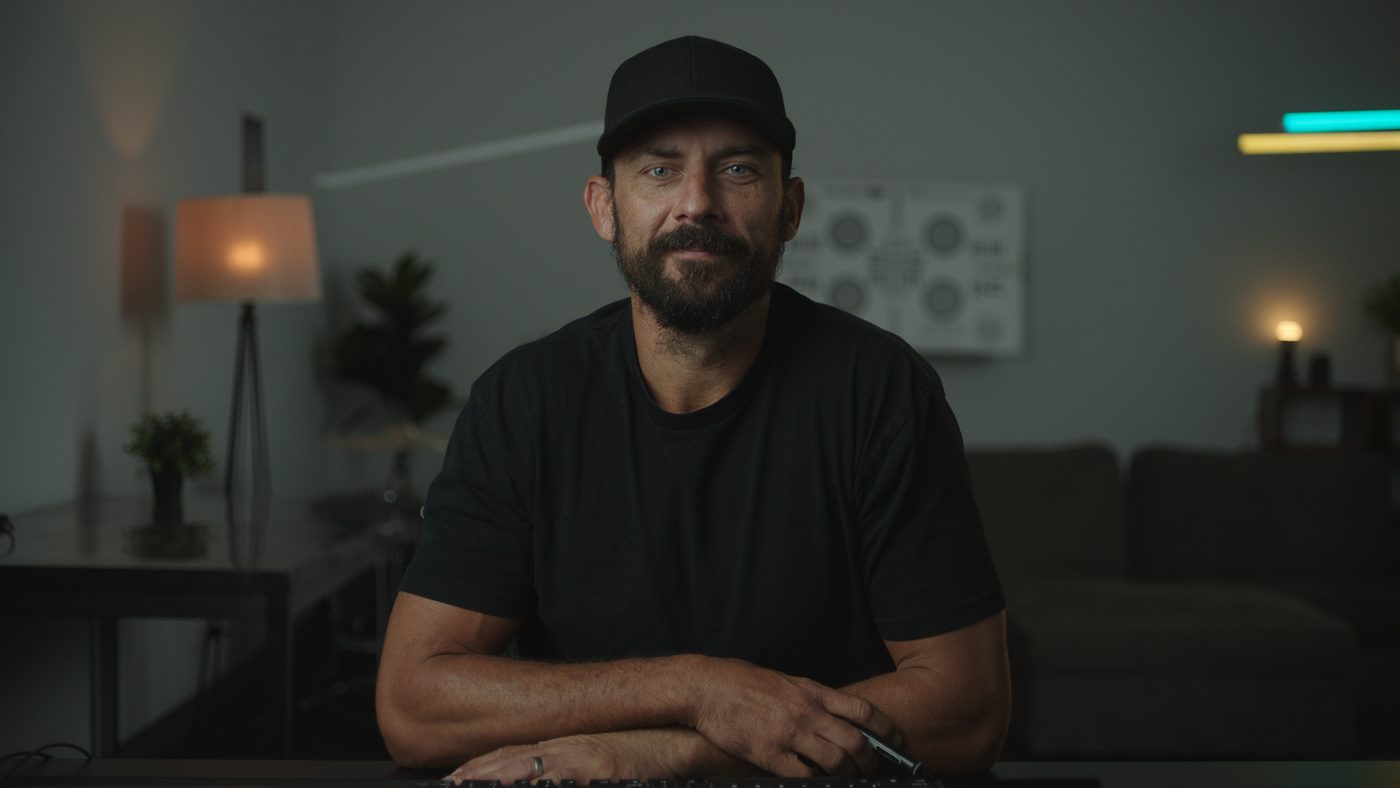
Patrick O’Sullivan, working DP.
I’ve been a cinematographer for more than a decade and have shot hundreds of commercial projects. Landing, prepping and shooting those jobs taught me a lot about the different ways a DP can approach the role.
Since 2014 I’ve shared that on The Wandering DP Podcast, breaking down real jobs with the frames, diagrams and decisions behind them. This course takes the hardest setup in my system, the dining room table, and lays out the blocking, coverage and lighting options that a single breakdown can only show one job at a time.
Everything in Volume III.
One payment, then it’s yours to come back to whenever a table scene turns up on a job.
- The course41 video lessons on the dining room table scene, from the system itself to coverage and lighting a virtual case study.
- AccessLifetime access on any device.
- Guarantee30 days. If the course isn’t right for you, let us know within 30 days for a full refund.
30-day money-back guarantee. If it isn’t right for you, email within 30 days of enrolling for a full refund.
Before you enroll.
How is this different from the podcast and Patreon breakdowns?
Which course should I take first?
Do I need specific gear to use this?
How long do I have access?
What if the course isn’t right for me?
When does it start and finish?
Can I pay with PayPal?
Where do I watch the lessons?
Know where the scene ends up. Work back from there.
Every job I’m on is a chance to put these ideas into practice. Once you understand how the system is structured you can use it on your next table scene and build on it to suit your own style. I look forward to seeing you in the course.