The language of image creation
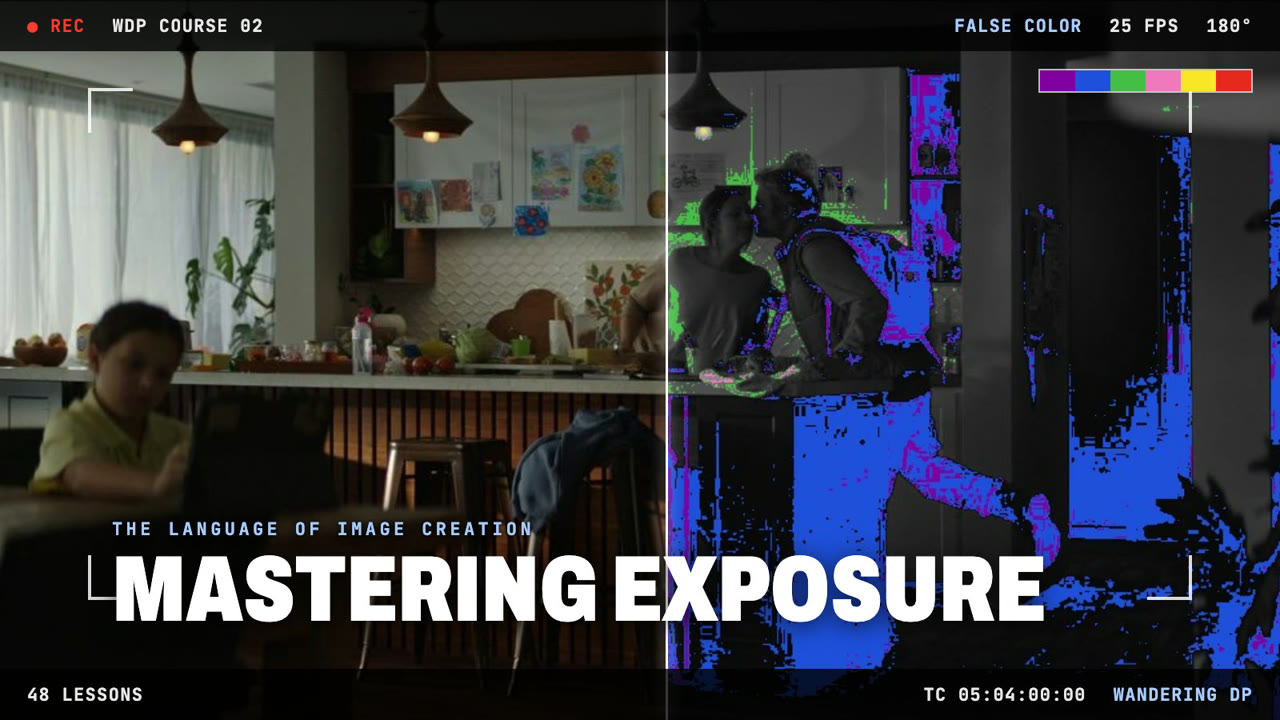
Mastering Exposure
Learn to read exposure as a set of ratios, and you can predict how a frame will look before you roll, then decide how it should feel.
A repeatable system for measuring light on set and off, with a light meter and false colour. It took me years to develop.
Exposure is the missing ingredient.
The concepts in this course changed the direction of my career. It took me years to find them.
I didn’t go to film school and I didn’t work my way up the camera department ladder. I wanted to be the one behind the camera, so I always felt I had to catch up with my peers. I spent years scouring the internet for tips and techniques that might help.
Results came once I understood exposure at a foundational level and built a technique for taking in every detail that goes into exposing an image. This course is that technique, so you can skip the years I spent working out what other DPs knew that I didn’t.
- What is exposure, beyond the textbook definition?2.3 The Traditional Definition · 2.4 The Six Elements · 2.5 Ratios
- How do I measure values on set?4.2 The Light Meter · 4.4 False Color · 4.6–4.7 FC Technique · 5.1 Light Meter Essentials
- How do I build pattern recognition?5.3–5.4 Finding Patterns · 5.5 Scene Work
- How does the system become a workflow on a job?6.1 The Measuring Stick · 6.2 Point of Control · 6.6 Keep It Simple
Every frame is a set of ratios.
The course gives you a language for exposure, so you can stop thinking about the technicalities and put your attention on the creative choices.
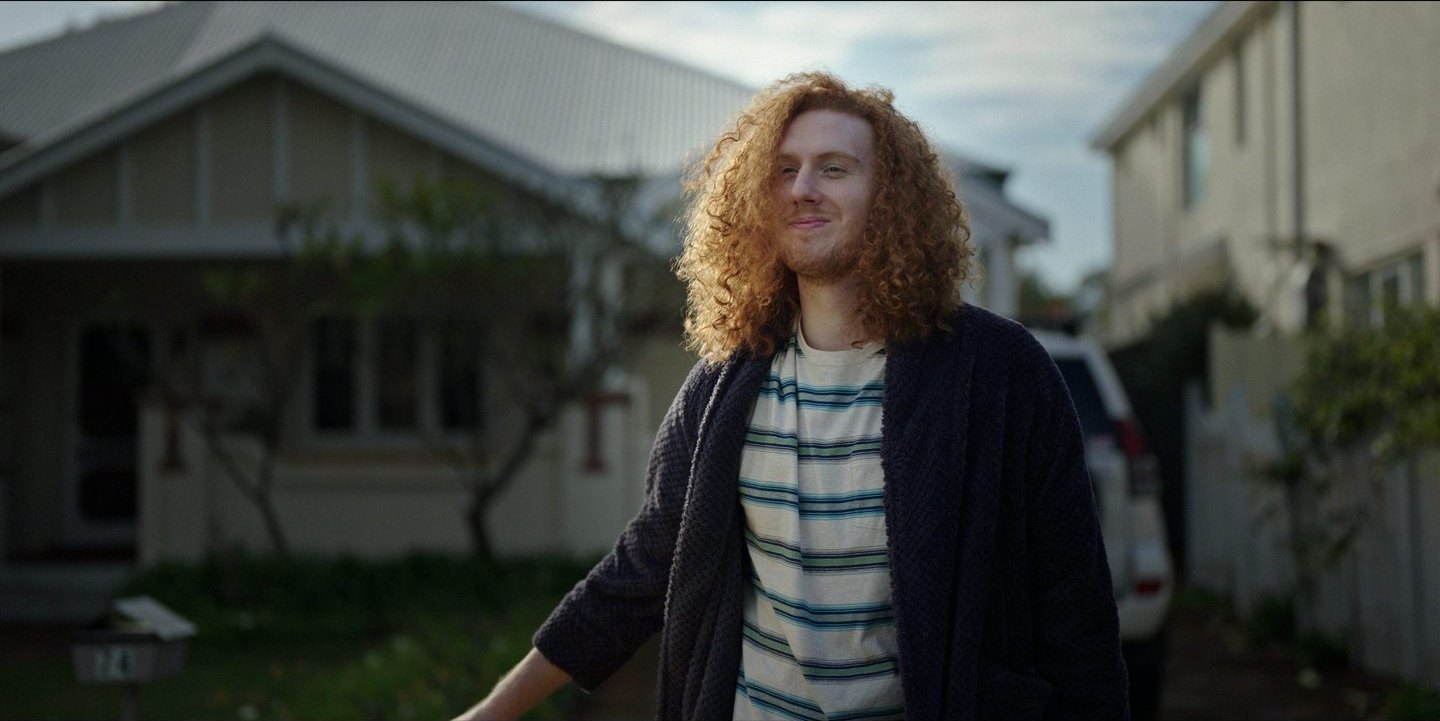
Here’s a day exterior from one of my own jobs, broken down on the podcast, with a false colour read over it. Section 4 covers the light meter and false colour, and section 5 puts the system to work on real scenes. The course also covers how to keep practising off set, without a crew or a camera.
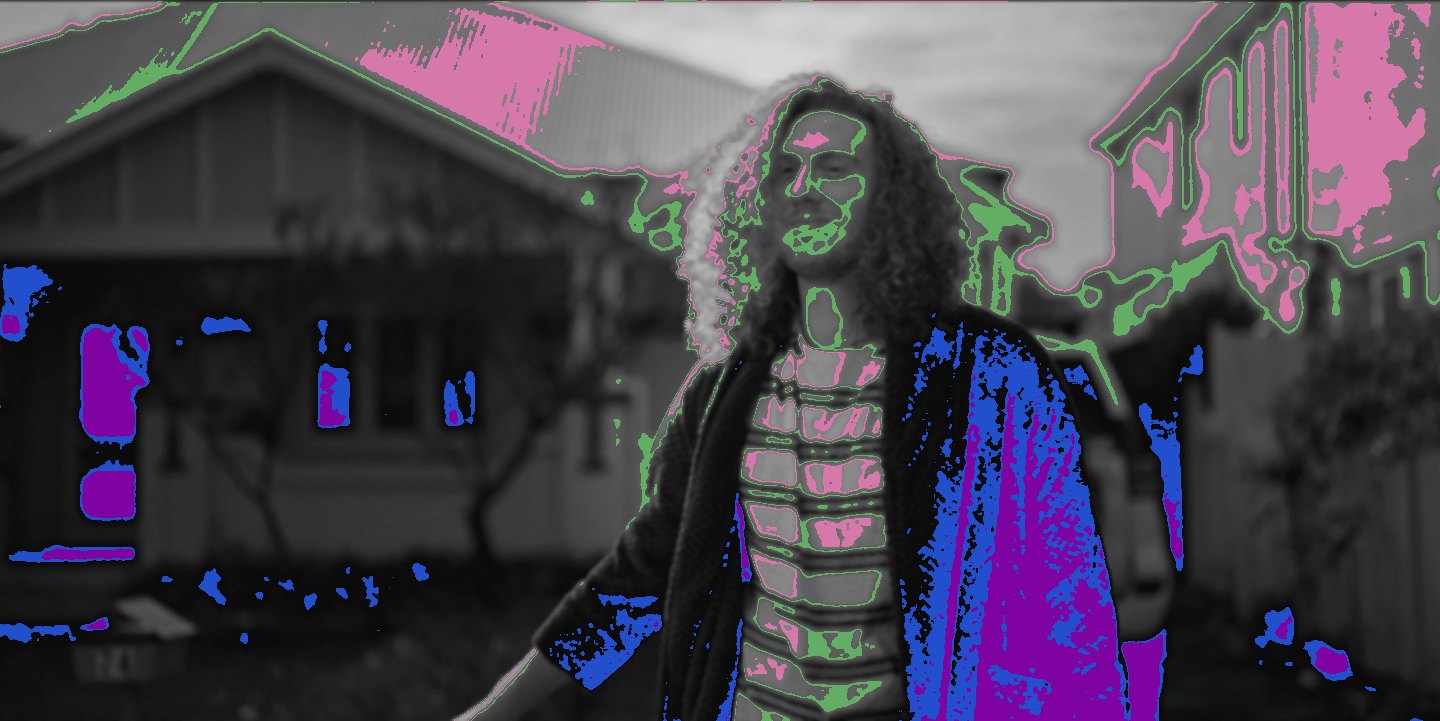 FALSE COLOURFRAME
Cinematographers who want consistent results.
Built for anyone who wants to close the gap between what they want and what they get. You don’t need years of experience, and you don’t need to be working as a DP to use it.
Take it if
- Your images don’t reliably come out the way you pictured them.
- You want to predict exposure ratios before you roll and choose how the image should feel.
- You want a repeatable way to read light that works on set and that you can practise off set.
- You’re starting out, or you’re already working and want a system that keeps getting stronger with use.
Start elsewhere if
- You want to know how commercial jobs are found, booked and prepped. That’s The Foundation.
- You want blocking and coverage for scenes. That’s The Playbook Approach.
- You need live, one-to-one coaching. This is a self-paced video course.
Every lesson, in order.
From what exposure actually is, through building the system and learning it with a meter and false colour, to using it on scenes and in the workflow on a job.
Two lessons are free previews on Teachable, so you can see the course before you buy.
01Introduction
- 1.1 Introduction2:43
- 1.2 Teachable Platform1:14
02What is Exposure?FREE PREVIEW
- 2.1 A Positive Note3:55
- 2.2 Seeing the MatrixFREE PREVIEW ↗3:45
- 2.3 The Traditional Definition2:26
- 2.4 The Six Elements4:46
- 2.5 Ratios3:36
- 2.6 A Thought Experiment5:28
- 2.7 The Road Ahead3:08
03Developing a SystemFREE PREVIEW
- 3.1 Removing Variables5:24
- 3.2 Old vs. NewFREE PREVIEW ↗5:56
- 3.3 4 Key Components4:14
- 3.4 Setting the Stage5:55
- 3.5 The Exposure Tree (Part #1)8:28
- 3.6 The Exposure Tree (Part #2)7:28
- 3.7 A Deeper Dive10:44
- 3.8 The Flow Chart6:29
04The Learning Process
- 4.1 The Techniques4:45
- 4.2 The Light Meter1:25
- 4.3 My Approach8:21
- 4.4 False Color7:30
- 4.5 Positives & Negatives11:07
- 4.6 FC Technique (Part #1)7:34
- 4.7 FC Technique (Part #2)6:28
- 4.8 WYSIWIG7:07
- 4.9 The False Meter5:11
- 4.10 The Clamp4:43
- 4.11 The Alternative Approach5:01
05Using the System
- 5.1 Light Meter Essentials14:40
- 5.2 The Set Up3:04
- 5.3 Finding Patterns (Part #1)9:58
- 5.4 Finding Patterns (Part #2)9:04
- 5.5 Scene Work12:05
- 5.6 Never Finished4:01
- 5.7 Going to Work1:15
06The Workflow
- 6.1 The Measuring Stick10:50
- 6.2 Point of Control5:46
- 6.3 Sky Plus (Part #1)10:12
- 6.4 Sky Plus (Part #2)9:53
- 6.5 Studio Plus9:51
- 6.6 Keep It Simple4:18
07Post Exposure
- 7.1 The Extra Effort6:06
- 7.2 Squeeze and Drop13:52
- 7.3 The Studio Squeeze7:34
- 7.4 The Fast Track3:30
08Conclusion
- 8.1 Closing the Loop7:26
- 8.2 One Last Tip5:35
- 8.3 Go Forth0:56
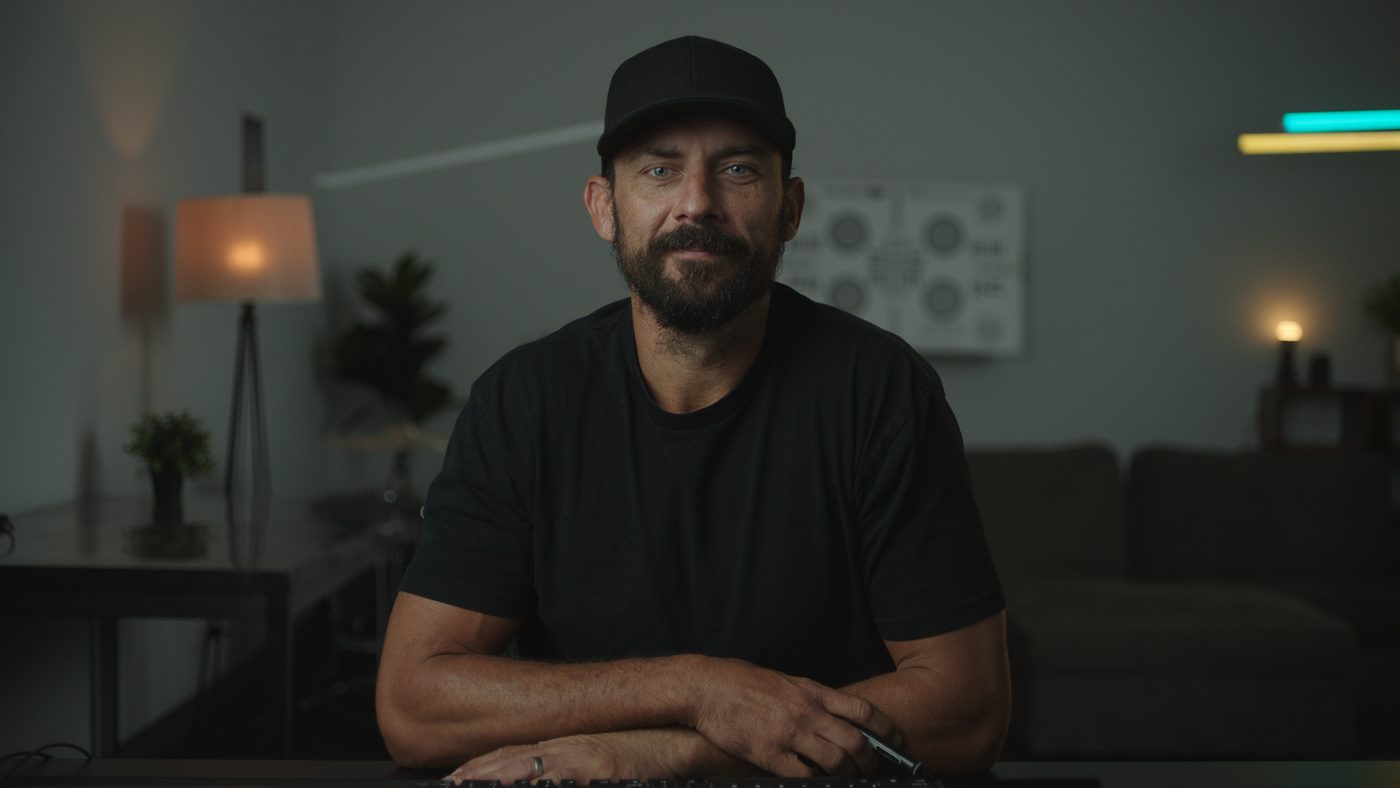
Patrick O’Sullivan, working DP.
I’ve been a cinematographer for more than a decade and have shot hundreds of commercial projects. Landing, prepping and shooting those jobs taught me a lot about the different ways a DP can approach the role.
Since 2014 I’ve shared that on The Wandering DP Podcast, breaking down real jobs with the frames, diagrams and decisions behind them. Mastering Exposure teaches the system underneath those breakdowns: how I read and predict exposure so the image comes out the way I intended.
Everything in Mastering Exposure.
One payment, then it’s yours for life, on any device you own.
- The course48 video lessons, about 5h 04m in total, from what exposure is to using the system on a job.
- AccessLifetime access on any device, so you can come back to a lesson before the job that needs it.
- Guarantee30 days. If the course isn’t right for you, let us know within 30 days for a full refund.
30-day money-back guarantee. If it isn’t right for you, email within 30 days of enrolling for a full refund.
Before you enroll.
How is this different from the podcast and Patreon breakdowns?
Which course should I take first?
Do I need years of experience?
Do I need to be a working cinematographer?
How long do I have access?
What if the course isn’t right for me?
When does it start and finish?
Can I pay with PayPal?
Where do I watch the lessons?
Either you got the shot you wanted or you didn’t.
That’s what I like about cinematography: it’s objective. This course closes the gap by showing how experienced DPs account for every variable. Understanding exposure this way changed how I work, and the sooner it clicks for you, the sooner your images start looking the way you’ve always wanted.